Showing posts with label gluten-free. Show all posts

Zen Comfort Vegetable Soup for Winter


Zen Comfort Vegetable Soup for Winter 

Imagine a cold winter day or evening where the air is crisp and you crave something soothing, warm and nourishing. This Zen Comfort Vegetable Soup recipe is a bowl of pure warmth—each ingredient thoughtfully chosen by chef Alba to create a harmonious blend of flavors. Delicate slices of shallot, carrot, zucchini, and celery leaves mingle with sweet potato and green apple, infusing the broth with subtle sweetness and earthy undertones. Fresh thyme add a touch of green vitality, while whole ginger and a hint of lemon skin bring a gentle, invigorating heat that warms you from the inside out.

As the soup simmers, the aroma of bay leaves and herbs fills the kitchen, promising comfort and calm. Every spoonful is light yet deeply satisfying, with the ginger and lemon lifting your spirits and the vegetables offering gentle nourishment. Served in a cup or small bowl, this soup is perfect for quiet moments on chilly days.


Zen Comfort Vegetable Soup for Winter 

1 small shallot, peeled and thinly sliced

½ small carrot, thinly sliced

¼ small zucchini, thinly sliced

Green leaves of celery with small stalks, thinly sliced 

2–3-inch stalk of broccoli, trimmed and thinly sliced

1/3 white sweet potato, peeled and thinly sliced

½ small green apple, peeled and thinly sliced

2 bay leaves

2 sprigs of fresh thyme

1–2-inch piece of whole ginger, peeled

1 slice of lemon skin, slice vegetable peeler

Salt and black pepper, optional


Directions

In a large soup pan, add 8-12 cups of warm water to the pan.  Add all of the ingredients listed, bring to a boil, then simmer on lowest setting for at least 1 hour. Taste for seasoning and adjust to your taste.    Remove the herbs and serve soup in a cup or small bowl.  Serve with only freshly group black pepper if you like.


Apple Celery and Gorgonzola Salad


1 large red apple, unpeeled, cored, and thinly sliced                       

1 large green apple, unpeeled, cored, and thinly sliced         

2 celery stalks, thinly sliced                                                           

6 iceberg lettuce leaves, torn                                              

4 ounces Gorgonzola cheese, crumbled                                        

½ red onion, thinly sliced                                                              

½ cup walnut or pecan halves, chopped and lightly toasted

Dressing:

2-3 tablespoons extra-virgin olive oil

1 tablespoon fresh lemon juice

1-2 teaspoons Dijon mustard

1 clove garlic, peeled and crushed

Salt, and black pepper                          


1.     Combine the apples, celery, lettuce, cheese, and onion in a bowl.

2.     Dressing: Whisk oil, lemon juice, mustard, and garlic in a small bowl. Season with salt and pepper.

3.     Taste dressing, adjust as needed. Place the lettuce on a platter, add the apple mixture on top.

4.     Drizzle dressing over salad and lightly toss it to combine.

5.     Serve salad with warm walnuts on top. .


Baked Pear Salad with Bacon and Walnuts


2 semi ripe pears

2 tablespoons extra virgin olive oil

6 slice belly bacon or thick bacon, cut into 2-inch pieces

Zest of ½-1 lemon

1-2 teaspoons lemon juice

1/2 cup walnuts

3 tablespoons Marsala wine (or any sweet wine)

Sea Salt and freshly cracked black pepper

1 cup arugula


1.     Preheat oven to 400F. Core and slice the pears into ¼ inch slices. Line a baking sheet and drizzle olive oil on top. Add the sliced pears. Bake until the pears are slightly golden. Do not cook to soft.

2.     Cut the bacon into 2-inch pieces. Cook in a frying pan or bake until crispy. Remove the bacon. You can leave the bacon fat or remove some of it. Add lemon zest and juice to the pan. Add the walnuts and toss.

3.     Deglaze the pan with the wine, taste for seasoning and adjust if necessary.

4.     Scatter the Arugula on a platter and top of the pears and bacon. Drizzle the pan dripping and walnuts over the salad.

Crusty Golden Scallops with Arugula Pesto


Crusty Golden Scallops with Arugula Pesto


3 tablespoons chopped almond or walnuts       

1-2 cloves of garlic, roughly chopped     

Salt and freshly ground black pepper

2 cups packed baby arugula       

3 tablespoons grated Parmigiano-Reggiano

1⁄3 – ½ cup extra-virgin olive oil

8 large sea scallops, muscles removed and dry         

2 tablespoons unsalted butter, divided  

1/2 cup white wine

1.     Arugula Pesto: Pulse the nuts, garlic, a pinch of salt and pepper in a food processor until rustic ground. Add the arugula and pulse again. With the processor running, drizzle in the olive oil. Add the grated cheese and pulse to your liking either into a rustic or smooth paste. Taste for seasoning and adjust as needed.

2.     Dry the Scallops be sure to place the scallops on paper towels early in the day to remove any excess liquid. Change the paper after 4 hours.

3.     Season the scallops with salt and pepper. Heat a large skillet over medium-high heat, then add 1 tablespoon of butter. When the butter melts, add the scallops and sear until golden brown on each side. Do not overcrowd the pan. If using a small pan, cook in 2 batches. Add pieces of butter in the pan as needed if it is too dry. Cook first side until crusty golden brown, do not turn the scallops until first side is done. Remember to turn only once during the cooking process. Cook the other side to golden leaving a slight barely uncooked middle. Remove the scallops to a plate. Add the white wine and reduce to slightly creamy.

4.     To Serve: When ready, spoon the pesto over the scallops and serve warm.


I love to make this dish because it's really quick to make and absolutely tasty. 

It is a favorite in my cooking classes. 


Baked Honey Roasted Garlic Potatoes


Baked Honey Roasted Garlic Potatoes 


Baked Honey Roasted Garlic Potatoes

1-pound Yukon gold potatoes, peeled 

1 head garlic

3-4 tablespoons extra virgin olive oil 

4 tablespoons honey 

½ - 1 teaspoon sweet smoked paprika 

1 ½ teaspoons minced rosemary 

Sea salt

Freshly ground black pepper

Handful minced fresh parsley, for topping


1.     Preheat the oven to 400F. Line a baking sheet with parchment paper.

2.     Cut the potatoes into evenly sized wedges or in half if small, and transfer to a bowl.

3.     Separate the cloves from the head of garlic leaving the skin on. Cut a small slit on each clove and add it into bowl.

4.     Drizzle the olive oil over the potatoes and garlic, then add the honey, paprika, rosemary and season with salt and black pepper. Toss and mix well.

5.     Transfer the potatoes to the baking tray. Bake for 20-30 minutes depending on size of potatoes. Turn the potatoes over after 10 minutes. Test doneness by inserted a toothpick in the center of a potato.

6.     Gently mix the potatoes in the baking tray and remove the skins of the garlic before transferring into a serving dish. Sprinkle with fresh parsley and serve warm.


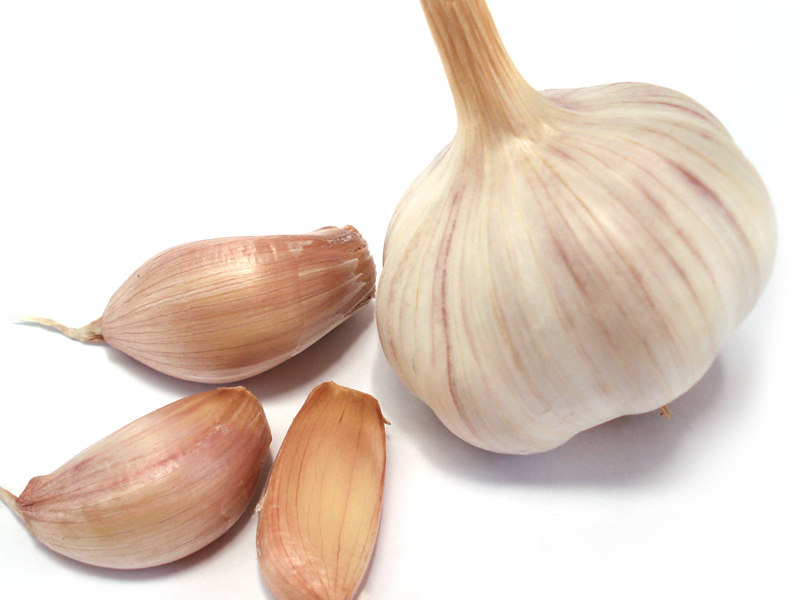
Why keep the skin on the garlic?

On a culinary level, cooking garlic with the peel has the advantage of preserving the internal juice and therefore giving a more delicate flavor to the dish. Garlic with skin can withstand higher temperatures much longer without burning. In this recipe you will enjoy the roasted garlic as much as the delicious potatoes.


Delicata Squash in Balsamic and Sesame


1/2-pound delicata squash, cut into 2-inch pieces  

1 ½ tablespoons brown sugar

3 tablespoons good quality balsamic vinegar

2 tablespoons lightly toasted sesame seeds

1/2 - 1 tablespoon extra-virgin olive oil 

Salt and black pepper


1.     Place the toasted sesames in a mortar and lightly crush them.

2.     Blanch the pumpkin pieces in hot water for 2 minutes. Strain, cool, and completely dry.

3.     Pour the sugar and balsamic into a pan and melt over low heat. Add the pieces of pumpkin to the pan and let them flavor for a few minutes. Drizzle with oil and a few drops of water and cook for about 10 minutes until the cooking juices are slightly dry.

4.     When the pumpkin is soft and well caramelized, turn off the heat and let it cool. Distribute the pumpkin on individual plates, sprinkle with toasted sesame seeds and serve.


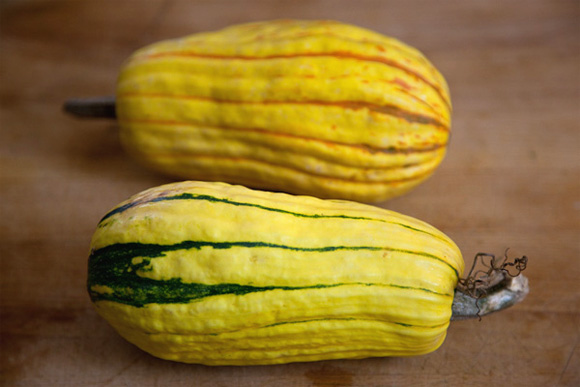
Delicata Squash


You can make this recipe with any squash or pumpkin, just remember to peel them first. I used “delicata squash” because the skin is thin and soft, making it completely edible. When cooked, the skin of delicata squash becomes tender and caramelizes. Make sure to use good quality balsamic for this recipe!


Warm German Potato Salad Alba’s Way


Warm German Potato Salad 

German potato salad is a warm and comforting salad made with sliced potatoes, crispy bacon, onions, and a warm tangy-sweet vinaigrette. There are several variations of German Potato salad, mine was inspired by my husband Granny.


2 pounds Yukon Golden potatoes

8-10 slices of bacon

1 medium red onion, sliced thinly

½ medium sweet onion, sliced thinly

½ cup white balsamic vinegar, or apple cider vinegar

3-4 tablespoons maple syrup

Salt

Black pepper

Red pepper flakes

3 spring onions, finely sliced

2-3 tablespoons chopped Italian parsley

Boil the potatoes: Begin by putting whole potatoes with skins in a pot of cold water to cook through evenly. Bring to a full boil, then reduce heat to medium-low. I added a few teaspoons of salt in the water. Cooking time will depend on size of potatoes. Begin checking after 15 minutes of cooking. Test by inserted a skewer in the center of the potato. When tender, but slightly firm in the center, remove from the pot. Since not all potatoes are the exactly the same size or thickness, check each one separately and remove to a tray to cool as they are cooked. Let them cool and dry on a tray before peeling and slicing.

Cook the bacon and onions: In a large skillet, add the bacon slices and cook until crispy. You may need to cook in 2 batches. As the bacon cooks, transfer to a plate. Do not discard the bacon fat. When all of the bacon is cooked, add the two sliced onions in the bacon fat. Cook on medium heat until softened.

Make the dressing: once the onions are cooked, on low heat, add the vinegar, maple syrup, salt, pepper and red pepper flakes, cook 1-2 minutes. Taste for seasoning and adjust to taste. If a little more vinegar is needed, add a few more teaspoons, if you prefer a little sweeter, add a few teaspoons of maple syrup.

Slice the potatoes: Peel the potatoes. Slice the potatoes into rounds about ¼ inch thick. The potatoes should be warm when tossing in the dressing because they will absorb the flavor better. I sprinkle a little salt on the potatoe's slices.

Toss in the warm dressing: Add the slices potatoes to the skillet and gently toss using two spatulas about 1-2 minutes until all the potatoes are well coated in the dressing. Break up the bacon into small pieces. Off the heat, add the bacon pieces, spring onions, and parsley and gently mix once more. It’s best served warm or at room temperature.


Irish Colcannon for St. Patrick's Day


On March 17, St. Patrick, the patron saint of Ireland, is celebrated and in many cities around the world people dress in green and toast with beer of this color. In Chicago, the river has been dyed green for more than 50 years. The ironic aspect is that St. Patrick actually dressed in blue. So where does the tradition of greenery come from?

St. Patrick used clover to explain to the Irish, the mystery of the Holy Trinity when he tried to convert them to Christianity. The green color then recalls this plant and the meaning of the Father, the Son and the Holy Spirit as a single reality. Ireland is also known as "The Emerald Isle" for its verdant landscapes, and historically speaking Catholics are identified with this color while Protestants are identified with the color orange. For this reason, the Irish flag has a band of each of these colors with another white in the middle to symbolize peace and coexistence between the two creeds of the north and south of the country.

Traditional Irish Dish “Colcannon” is one of the recipes that is served everywhere in Ireland. It is mashed potatoes enriched with kale or cabbage, common ingredients in the Land of Clover. Colcannon is usually enjoyed in the colder season and is the perfect accompaniment to the Irish Stew. There are some variations of colcannon within various households and regions. What seems to be common in all of them is the presence of generous amounts of Irish butter, potatoes, and cabbage or kale as the vegetable of choice to add volume and flavor to this tasty preparation. Accompany this dish with an excellent Irish beer, and you will have an evening of joy and delicious Irish Cuisine.

Colcannon 

4 pounds russet potatoes (7-8 large potatoes), peeled

1 head of green cabbage (I use Savoy Cabbage)

1 cup of milk or cream

1 stick unsalted Irish butter, divided into 3

Salt and black pepper

Fresh Parsley or chive, minced  

The Potatoes: In a large pot of cold water, add the potatoes and a tablespoon of salt. Bring to a boil first, then simmer until soft in the middle when pierced with a skewer. 

The Cabbage:

  1. While the potatoes are cooking, remove the core from the cabbage, slice the leaves thinly, and put into a large saucepan of boiling water. Keep at a slow rolling boil until the cabbage is just wilted and has turned a darker green, about 3-5 minutes, depending on the thickness of the cabbage. Test it, it should be slightly undercooked.
  2.   When the cabbage is cooked, drain it well, squeeze to get any excess moisture out, then return to the saucepan. Add one-third of the butter and cover. Leave it covered and in a warm place, but not on a burner, with the butter melting gently.

Assembly: 

  1.      When the potatoes are soft, drain the water and return the potatoes to its pot. With the drained potatoes in, set the burner to low, leaving the lid off so that any excess moisture can evaporate. When they are perfectly dry, add the milk and a third of the butter. Allow the milk to warm, but not boil. The butter should be fully melted, and the pot should be starting to steam.
  2.  With a potato masher or a fork, mash the potatoes thoroughly. Do NOT beat or blend the potatoes or they will become gluey.
  3.  Mix the cabbage thoroughly through the mashed potato. Before serving, taste and season with a little salt and pepper, as needed. Top with sprinkle of fresh parsley or chives. Most significantly, make a well in the center of the mound of potato and put the last third of the butter there to melt.


Spice It Up Tzatziki


Tzatziki spices and Feta 


Tzatziki is a traditional Greek dish using thick Greek Yogurt and refreshing cucumbers. There are some variants of this recipe depending on the region of Greece. It is usually served as an accompaniment with gyros, kebabs, or pita bread. I created my own version because that’s what I like to do with recipes that interest me.  Since I love hummus so much, I used spices that I thought would go well with my version of Tzatziki. I served it with grilled Italian meatballs and grilled peppers and onions.  Ottimo we say in Italian!


3 small Persian cucumbers, divided
1 ½ cups full-fat Greek yogurt, strained
1 large clove garlic, mashed and minced
Pinch Sea salt
Black pepper to taste
Red pepper flakes to taste
3 tablespoons extra virgin olive oil, divided
2 tablespoons minced fennel greens (or fresh dill)
1-2 ounces Greek feta, cut in small cubes
Ground coriander for decoration
Ground cumin for decoration
Ground paprika for decoration  

The cucumber: Finely chop 2 cucumbers, no need to remove the skin. Transfer to a sieve, sprinkle with sea salt, and allow to drain about an hour in a bowl.  After an hour push down with a spatula to squeeze out any additional excess liquid.

Note: I used small Persian cucumbers because they have much fewer seeds and are tastier. You can also drink the cucumber juice, no need to throw it away.

The Yogurt: Place the yogurt in a small sieve over another bowl and allow to drain about an hour in the bowl.
Note: I used grass fed full-fat Greek Yogurt, more delicious!
Combine: in a larger bowl, combine the cucumbers, yogurt, minced herb, garlic, a tablespoon of olive oil, tiny pinch of salt, black pepper, red pepper flakes; mix well. Refrigerate for a few hours so the flavors will combine well.
Serve: Transfer the tzatziki to a round bowl, not too deep. Add a few kalamata olive in the center of the dish.  Then thinly slice 1 cucumber and place around the bowl. Add feta pieces on top, and sprinkle the top with paprika, cumin, and coriander. Lastly, adorn with a thread of excellent olive oil to finish the dish. 

Lentils-Rice in Caramelized Onion and Aged Balsamic

Rice Lentils Caramalized Onion Feta and Aged Balsamic 

This dish has been in my heart for a long time, from the first time I tasted it.  Prepared with simple ingredients and techniques, it’s the perfect combinations of an exotic main or side dish. Originally a Middle Eastern recipe, and since I love fusion cooking, I added Feta for a touch of Greek, and aged Balsamic for a touch of Italian. Try it with your favorite spices and maybe even dried fruit or toasted nuts!   


2 large sweet onions or red onions, thinly slided
6 tablespoons extra virgin olive oil, divided
Sea salt
Black pepper
Red pepper flakes
1 ½ cups brown lentils, rinsed
2 bay leaves
2 cups basmati or jasmine rice
1 teaspoon ground cumin
1 teaspoon ground coriander
1 teaspoon ground ginger
½ teaspoon ground cinnamon
2-3 ounces Feta cheese, crumbled (optional)
3-5 tablespoons aged balsamic
2 tablespoons minced fresh Mint or Italian Parsley

Caramalizing the Onions: In a large skillet add the sliced onion and cook for 5 minutes on medium-low without oil.  Stir occasionally.  Add 3 tablespoons of olive oil and cook until they soften and become golden to golden brown.  Season with salt, pepper, and red pepper flakes. Wait until the rice and lentils are cooked to add the balsamic so the onions will be hot.
Caramalizing the onions

Cooking the Lentils: In a medium size pan, add the lentils and cover with about 2 inches of water. Bring to a boil, add the bay leaves and 1 tablespoon of olive oil. Simmer until the lentils are done.  Season with salt toward the end of cooking. Taste for doneness.  Remove bay leaves before draining.Drain the lentils and reserve in a bowl.  Save the broth to cook the rice, measure the liquid according to package directions, usually for 2 cups of rice = 4 cups of water.  It may depend on the rice you use.
Cooking the lentils


Cooking the Rice: In a medium size pan dry pan (you could re-use the one you cooked the lentils in) add the dry rice with a 2 tablespoons of olive oil.  Toast on medium heat for about 2 minutes; add the spices and toast another minute.  Now add the 4 cups of HOT liquid, bring to a boil and simmer until the rice is cooked.
Toasting the rice


Assembling the dish: 
In the pan with the rice, add the lentils and warm.  Add the Feta and gently mix. 

Heat the onions and add the balsamic (the more the tastier). When the rice mixture is warm; tranfer to a platter or individual plates. Top with caramelized balsamic onions and a sprinkle of mint or Italian Parsley.